Website Design Trends for 2025: What’s Actually Converting for Businesses
If your website looks the same as it did in 2024, it’s already underperforming.
In 2025, websites aren’t judged on aesthetics — they’re judged on how quickly they earn trust and convert attention into action.
These website design trends aren’t predictions. They’re the patterns already driving engagement, authority, and leads for businesses right now.
1. Websites That Feel Alive: The Rise of Micro-Interactions
Ever noticed how hover effects, button animations, and subtle motion make a site feel more intuitive? That’s micro-interactions at play—tiny responses that guide users without them even realizing it.
Why it matters:
A study by Nielsen Norman Group found that users process information 50% faster when interactive elements provide feedback.
How to use it:
✅ Use hover effects on Calls To Action (CTAs) to signal interactivity.
✅ Add scroll-triggered animations to emphasize key content.
✅ Include loading indicators for a smoother UX.
💡 Pro Tip: Brands like Apple and Airbnb use micro-interactions to make digital experiences feel “alive” while keeping usability friction-free.
2. The New Nostalgia: Retro Meets Modern UX
We’re seeing a massive comeback of bold typography, pixelated graphics, and neon color schemes—but with a modern, sleek execution.
Why it matters:
Nostalgia is a powerful marketing tool. Studies show that consumers are 18% more likely to trust a brand when they feel a personal connection to its aesthetic.
How to use it:
✅ Mix 90s-inspired design (bold fonts, high-contrast colors) with minimalist UX.
✅ Use vintage branding elements (but don’t sacrifice mobile responsiveness).
✅ Subtly integrate throwback styles while keeping content modern.
💡 Pro Tip: Shopify’s latest theme updates incorporate this "retro-future" vibe—balancing nostalgia with clean, high-performance layouts.
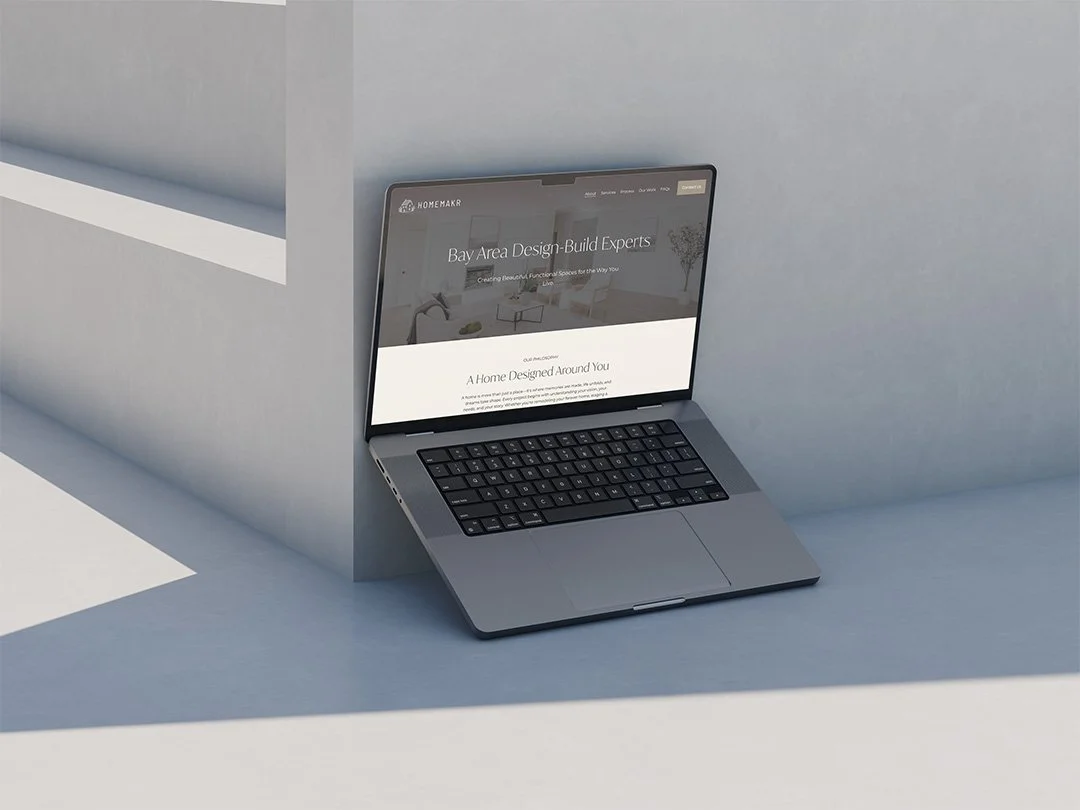
If your website looks modern but doesn’t convert, the issue isn’t design — it’s structure.
3. Websites That Sell Themselves: AI-Powered Personalization
Generic websites are dying. In 2025, successful brands will customize experiences in real-time based on user behavior.
Why it matters:
80% of users are more likely to buy from brands that personalize experiences according to a recent study by Epsilon.
AI-driven recommendations increase conversions by 30% on average.
How to use it:
✅ Use dynamic content that adapts to visitors (e.g., first-time vs. returning users).
✅ Implement AI-powered chatbots that answer questions and guide users.
✅ Personalize product recommendations based on browsing history.
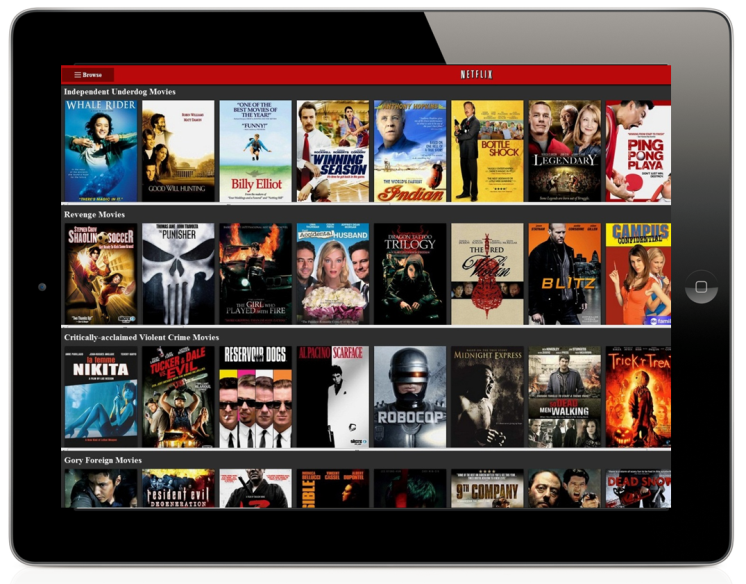
💡 Pro Tip: Think Netflix’s recommendation engine—the more personal your site feels, the longer users stay.
4. Dark Mode 2.0: Beyond Just a Trend
Dark mode is no longer a nice-to-have—it’s a UX (user experience) necessity.
Why it matters:
More than 82% of smartphone users now prefer dark mode when available [source].
Reduces eye strain and improves battery life on OLED screens.
How to use it:
✅ Offer a toggle option for light vs. dark mode.
✅ Use high-contrast text and buttons for accessibility.
✅ Optimize color schemes so dark mode doesn’t just look like an inverted website.
💡 Pro Tip: Google, Apple, and major e-commerce brands now default to dark mode for mobile—users expect it.
Trends only work when your site is built to support them. Most aren’t.
Get a professional website conversion review →
5. Minimalist Navigation: Removing Friction
The old-school menu bar clutter? Gone. Instead, we’re seeing:
✔️ Sticky nav bars that stay visible while scrolling.
✔️ Hidden “hamburger” menus for desktop, not just mobile.
✔️ Voice-enabled search for seamless browsing.
Why it matters:
Users form a first impression of your website in just 50 milliseconds and complex navigation increases bounce rates.
How to use it:
✅ Reduce menu options (3-5 key links max).
✅ Implement smart search features to help users find content faster.
✅ Keep calls-to-action (CTAs) visible at all times.
💡 Pro Tip: The fewer clicks required, the higher the conversion rate.
Final Takeaway: What’s Next For Website Design?
2025 isn’t just about aesthetics—it’s about creating websites that engage, convert, and feel effortless.
The best brands will:
✔️ Incorporate micro-interactions for a seamless UX.
✔️ Blend nostalgia with modern design for a fresh identity.
✔️ Use AI to personalize experiences (because static sites are dead).
✔️ Prioritize user-friendly navigation to remove friction.
Thinking about redesigning your website this year?
The difference between a site that looks current and one that actually converts comes down to strategy, structure, and intent.
If you want a website built to drive leads — not just keep up with trends — let’s talk.