I Stopped Trying to Attract Everyone and My Business Got Way More Profitable. Here's What I Did.

Let's just get into it:
"I work with anyone who needs [insert service]" is not a brand strategy. It's a cry for help with a Canva graphic slapped on it.
And I say that with love. Because I hear it constantly. On discovery calls, in DMs, on websites I audit — this beautifully designed homepage with gorgeous fonts and a hero image that could be in a magazine... and then the copy says something like:
"We help you get healthy."
What does that even mean?
That's not messaging. That's a LinkedIn bio generated by an AI that was trained exclusively on TED Talks and corporate retreat agendas.
And look — I'm not saying this to be mean. I'm saying it because this is the thing that's quietly sabotaging everything else you're doing. The content, the ads, the website redesign you're about to invest in for the third time. None of it will land until you answer one deceptively simple question:
Who the hell are you actually talking to?
Not "small business owners." Not "women 25–55." Not "anyone who needs help with their business."
A person with a
specific problem
specific desire
very specific reason they haven't solved it yet
When you figure that out — when you stop trying to be the restaurant that serves sushi AND tacos AND pizza AND also has a great brunch menu — everything changes. The copy writes itself. The content has a pulse. The right people start finding you. And the wrong ones stop wasting your time.
So let's talk about how to actually get there. Because it's not a worksheet. It's not a template. And it's definitely not picking a fictional name for your "ideal client avatar" and calling it a day.
First: Forget Everything You've Been Told About "Target Audiences"
When most people hear "define your target audience," they think demographics. Age range. Income bracket. Maybe a location. They fill out a template that says things like "Women, 28–45, likes coffee and Instagram."
(Cool. You just described half the internet. That's not an audience — that's a Starbucks line.)
Your target audience isn't a demographic. It's a person — with a specific problem, a specific desire, and a specific reason they haven't solved it yet.
And here's the part nobody talks about: most business owners describe their audience the way they think about their services. Not the way their actual clients experience the problem.
That gap? It's where all the money leaks out.
Let me show you what I mean.
What "Going Deeper" Actually Looks Like (With Real Examples)
This is where defining your audience stops being a theoretical exercise and starts becoming the thing that makes your marketing actually work.
The Wedding Photographer
What most people say: "I work with couples getting married."
Sure. So does every other photographer in a 50-mile radius. That's not an audience. That's a category.
What it actually sounds like when you go deeper: Your person is the bride who's been pinning wedding inspiration for two years. She feels overwhelmed by vendors who all look the same on Instagram. She’s edgy and terrified of ending up with stiff, awkward photos that don't capture how the day actually felt — and honestly? She doesn't even know what questions to ask a photographer. She just knows she wants to look at these photos in 30 years and feel that feeling again.
Now that changes everything. Your homepage. Your Instagram captions. Your inquiry response. You're not selling photography anymore. You're selling the feeling of reliving the best day of her life — without the stress of figuring out how to get there.
The Financial Advisor
What most people say: "I help people manage their money."
Yawn. So does an app. So does their uncle with opinions at Thanksgiving.
What it actually sounds like when you go deeper: Your actual client is the 42-year-old startup founder who's making more money than they ever have — and somehow still feels behind. They've got a savings account that hasn't been touched since 2019, an accountant who only talks to them in April, and a quiet, low-grade panic that they're doing this whole thing wrong. They don't need a lecture on compound interest. They need someone to look at the whole picture and say, "Here's exactly what to do next — and here's why you're not as behind as you think."
That's not "financial planning for high earners." That's a message that makes someone stop scrolling and think, okay, they get me.
The Interior Designer
What most people say: "I design beautiful spaces."
What it actually sounds like when you go deeper: Your person just bought their first home. They've got champagne taste and a beer budget (their words, not yours). They've been spiraling on Pinterest for six months, and every room in their house is a different "vibe" because they love everything and can't commit to anything. They don't need another mood board. They need someone to walk in, make sense of the chaos, and give them permission to stop second-guessing every cottage core throw pillow.
Feeling a little called out?
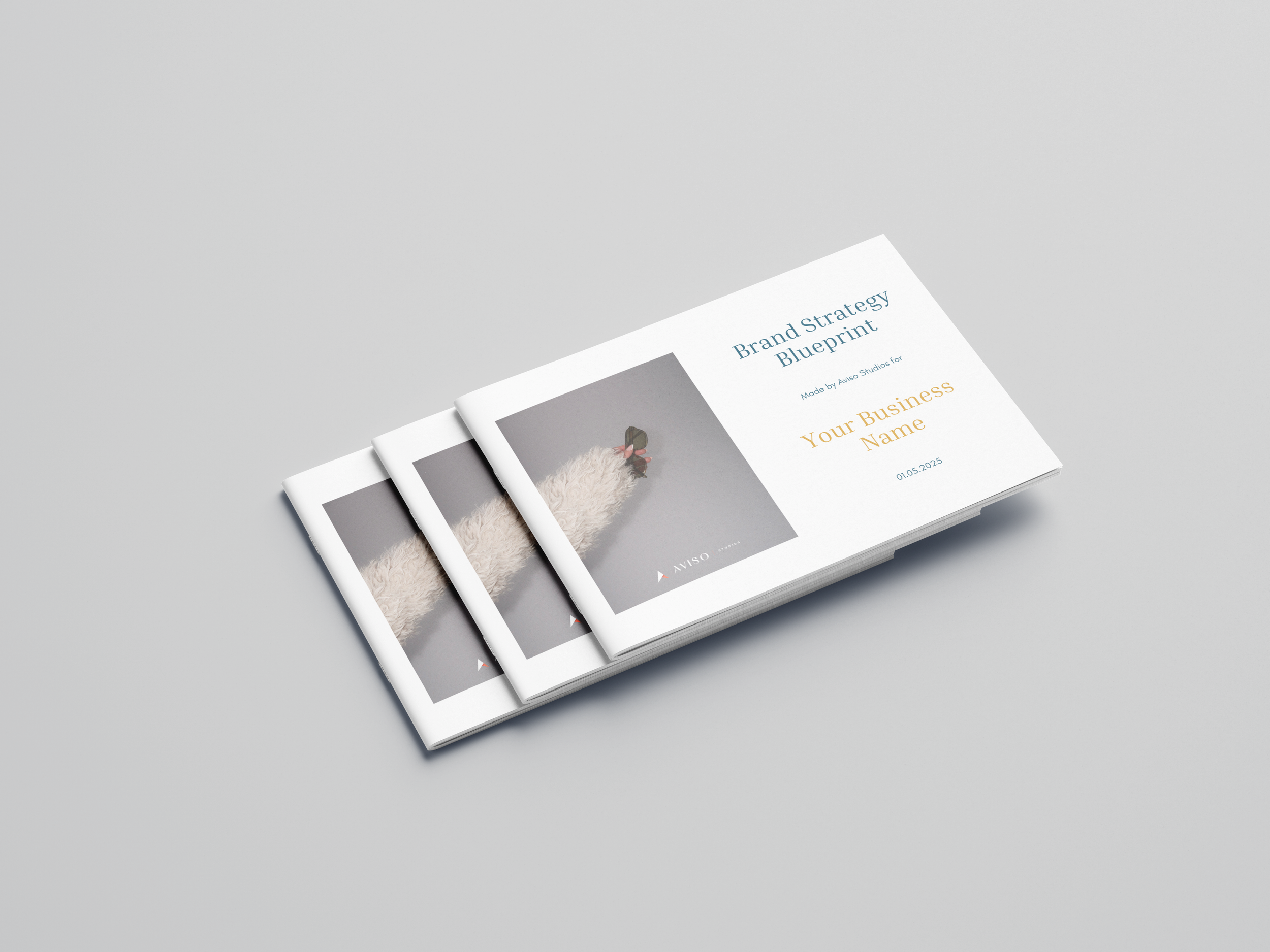
That’s the gap the Brand Strategy Blueprint closes — clarity on who you’re for, what you do differently, and how to say it so it actually lands.
How to Get There (Without a 47-Field Worksheet or a Fictional Character Named "Marketing Mary")
I'm not going to hand you a persona template with a stock photo and an imaginary Starbucks order. Here's what actually works.
Step 1: Look at Who You've Already Served
Think about the 3–5 clients who made you think, "God, more of this please." The ones who got amazing results, were a dream to work with, paid without chasing, and maybe even sent referrals without being asked.
Those people aren't a hypothetical avatar. They're your actual audience, in the flesh. Start there.
Step 2: Ask Them the Questions That Matter
This is the step everrrrrryone skips — and it's the one worth more than every marketing course you've ever bought.
Pick up the phone. Send a voice memo. Buy them a coffee. Then ask:
"What was going on when you started looking for help?" This reveals the trigger — the moment they went from "I should probably deal with this" to actually Googling it. That trigger is the opening line of your homepage.
"What other options were you considering?" This shows you who you're really competing against — and it's almost never who you think. (Hint: sometimes your biggest competitor isn't another business. It's doing nothing.)
"What almost made you say no?" Pure gold. These are the objections sitting in every potential client's head right now. Handle them on your website and watch your conversion rate change.
"What made you finally say yes?" This is your selling point. Not what you think it is — what they tell you it is. There's almost always a gap between the two.
"What surprised you about working with us?" This uncovers the hidden benefits you're probably not even marketing yet. The stuff that makes people refer you isn't always what you'd expect.
The words they use in these conversations? They become your website copy. Your social captions. Your email subject lines. Your sales page.
You cannot manufacture this language. You have to hear it.
Step 3: Find the Patterns (Then Build Around Them)
After even 3–5 of these conversations, you'll see it — the same frustrations showing up. The same triggers. The same hesitations before buying.
Those patterns become your messaging foundation. Your content strategy. Your entire brand voice.
And here's the bonus most people don't expect: you'll also get crystal clear on who your audience isn't. Which saves you from the soul-sucking, laptop-into-the-ocean clients that were never a fit in the first place.
(One or two strong personas built from these conversations will do more for your marketing than seven hypothetical ones based on guesswork. Don't overcomplicate it.)
The Part Where Everything Clicks
Here's what changes when you actually do this work:
Your website stops sounding like a brochure and starts sounding like a conversation. People read it and feel understood — not marketed to. They stay longer. They click more. They reach out.
Your content creates itself. When you know your person's exact questions, fears, and desires, you never stare at a blank screen wondering what to post. You just... answer them. In your voice. Like a human.
Your sales calls get shorter (and easier). Because your messaging already did the heavy lifting. By the time someone books a call, they're not asking if they want to work with you — they're figuring out how.
Your prices go up — and people pay them. Because you've stopped sounding like a commodity. When someone feels deeply seen by your brand, price becomes a secondary conversation. They're not comparison shopping anymore. They want you.
This isn't marketing theory. This is what happens when you stop trying to be for everyone and start building a brand around the people you actually serve best and speak directly to them.
If You're Reading This and Thinking, "I Need This — But I Need Help Doing It"
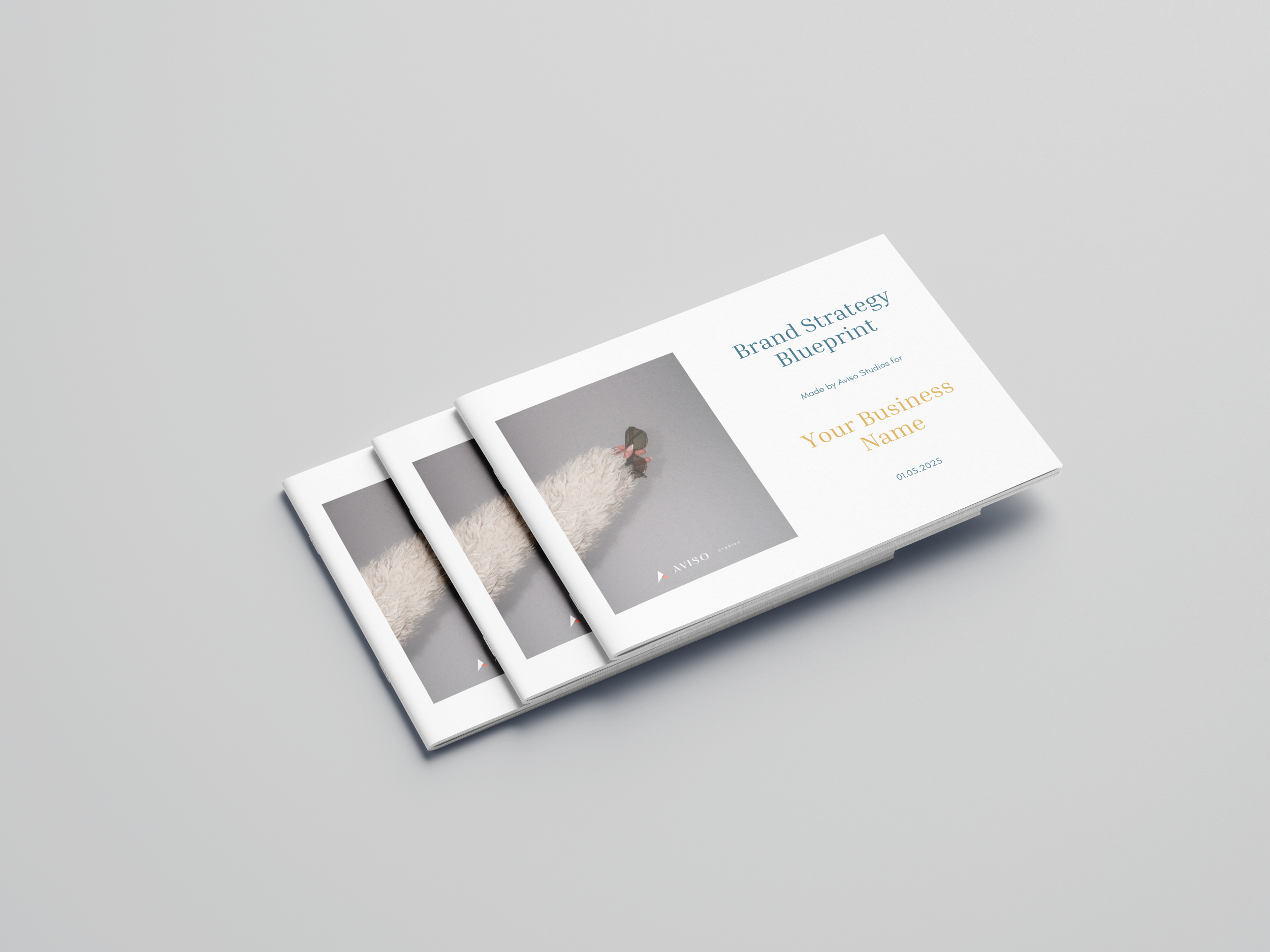
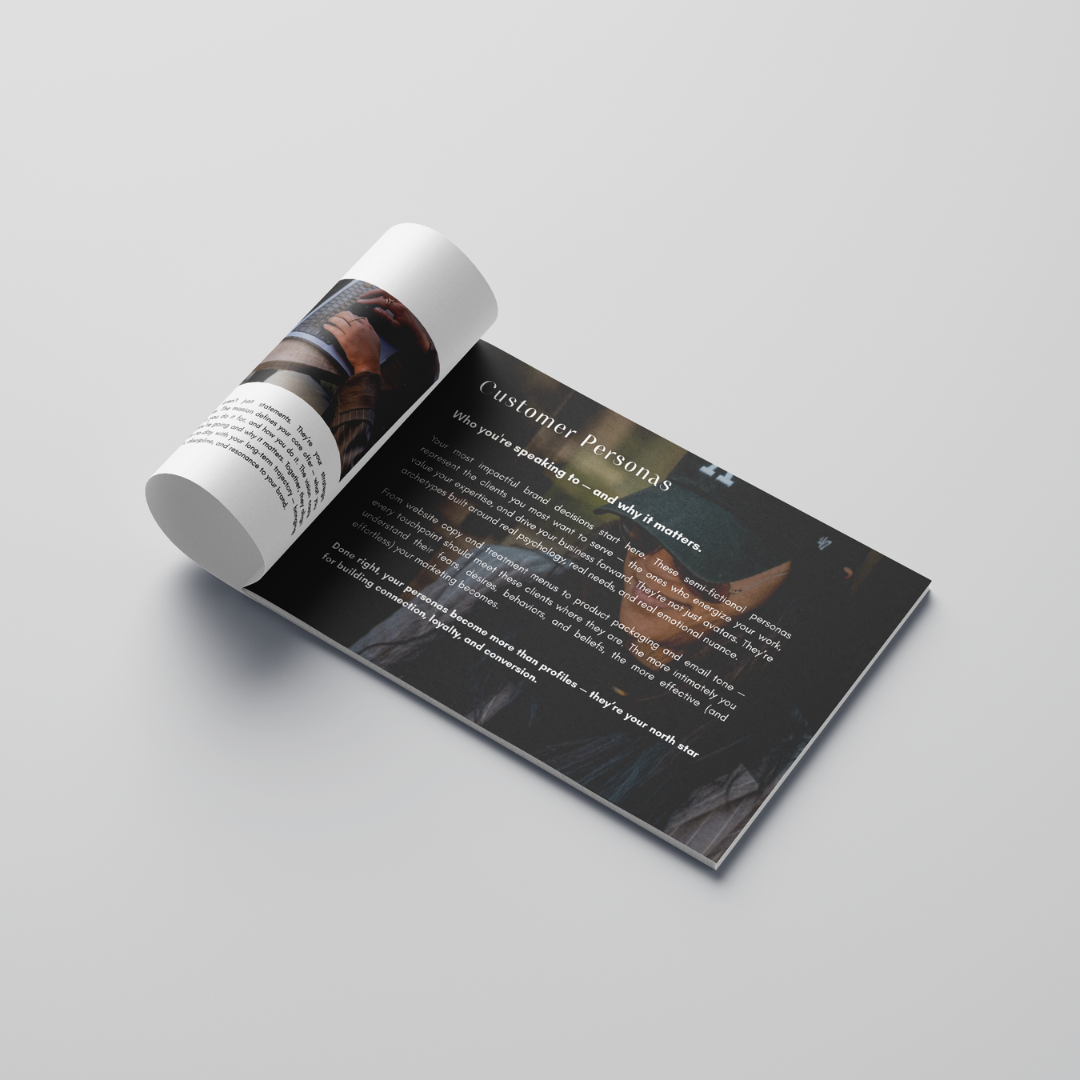
That's exactly why the Brand Strategy Blueprint exists.
It's a done-with-you strategy intensive where I do the hard part for you — defining who you're for, what sets you apart, and how to talk about it in a way that actually attracts the right clients (and repels the wrong ones).
This is for you if:
Your work is solid but you can't quite articulate why someone should choose you
You're tired of blending in with every other business in your space
You want a strategic foundation you can actually use — not a 90-page brand book that collects dust
Inside the Blueprint, you'll get:
✔️ Your brand's positioning and why it matters ✔️ Who you're for (and who you're not) ✔️ How to explain what you do so people actually get it ✔️ What makes you worth the price tag ✔️ Strategy guardrails that keep your growth focused
$399. One-time investment. Delivered as a custom strategy document built specifically for your business.
No templates. No group coaching. No 12-week commitment. Just the foundation your brand has been missing — so you can stop guessing and start growing on purpose.