Marketing Psychology: How the Illusion of Control Increases Conversions
The illusion of control is a well-documented psychological bias — and it plays a powerful role in how customers make decisions.
People are more confident, less resistant, and more likely to move forward when they feel like they’re in control, even when the outcome is largely the same.
In marketing, this doesn’t mean manipulating customers. It means structuring choices, language, and experiences in a way that reduces friction and builds confidence at key decision points.
Why the Illusion of Control Works in Marketing
The Science Behind the Illusion of Control
In a 1971 study, researchers David Glass and Jerome Singer proved that simply believing you have control can reduce stress and improve focus.
Participants had to proofread text while an annoying buzzer went off at random times.
One group was given a button to stop the buzzer (but told not to press it).
The other had no button at all.
Even though no one pressed the button, just knowing they had the option helped the first group stay calm and focused.
This same effect plays out in everyday life:
Gamblers throw dice harder when they want a high number. (It’s proven)
Crosswalk buttons don’t actually speed up the light—but they make us feel like they do.
In marketing and decision-making, this same principle applies. When customers feel they have agency, they experience less anxiety, more confidence, and greater satisfaction with their choice.
Here’s how to apply it in your business.
3 Practical Ways to Use the Illusion of Control in Marketing
1) Let Customers Take the Lead
People love choices. Giving your customers even small decisions makes them feel more in control—and more likely to buy.
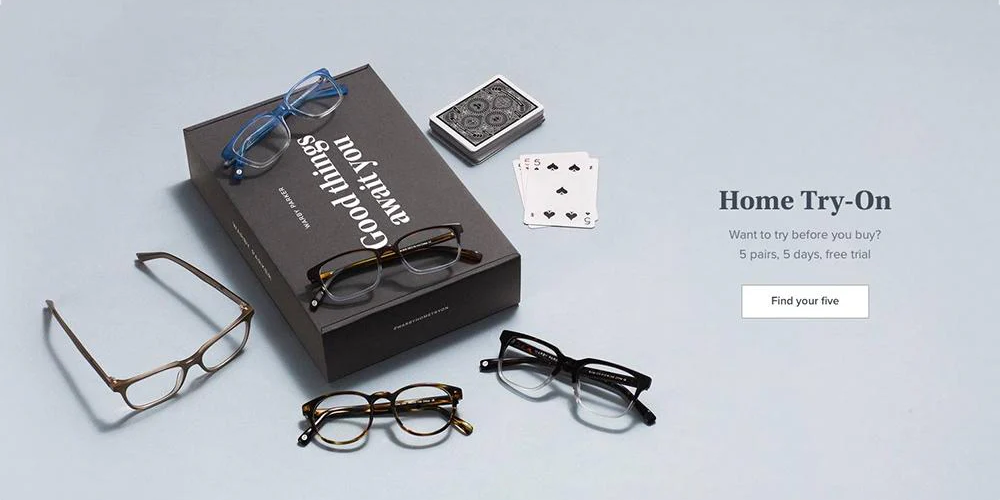
✅ Personalization & Customization – Offer “build-your-own” options, product customizations, or tailored recommendations. Warby Parker’s home try-on program is a great example—customers pick five glasses to test at home before purchasing.
✅ Flexible Shopping Options – Let customers choose their delivery dates, product colors, or service levels. The more they “own” their purchase, the more satisfied they feel.
🚨 But be careful! Too many choices can backfire. This is known as the Paradox of Choice, where too many options overwhelm customers and make them walk away. Keep it simple, structured, and easy to navigate.
2) Reframe Decisions to Give More Control
The words you use matter. Even when a decision is inevitable, the way you frame it can make customers feel like they’re in the driver’s seat.
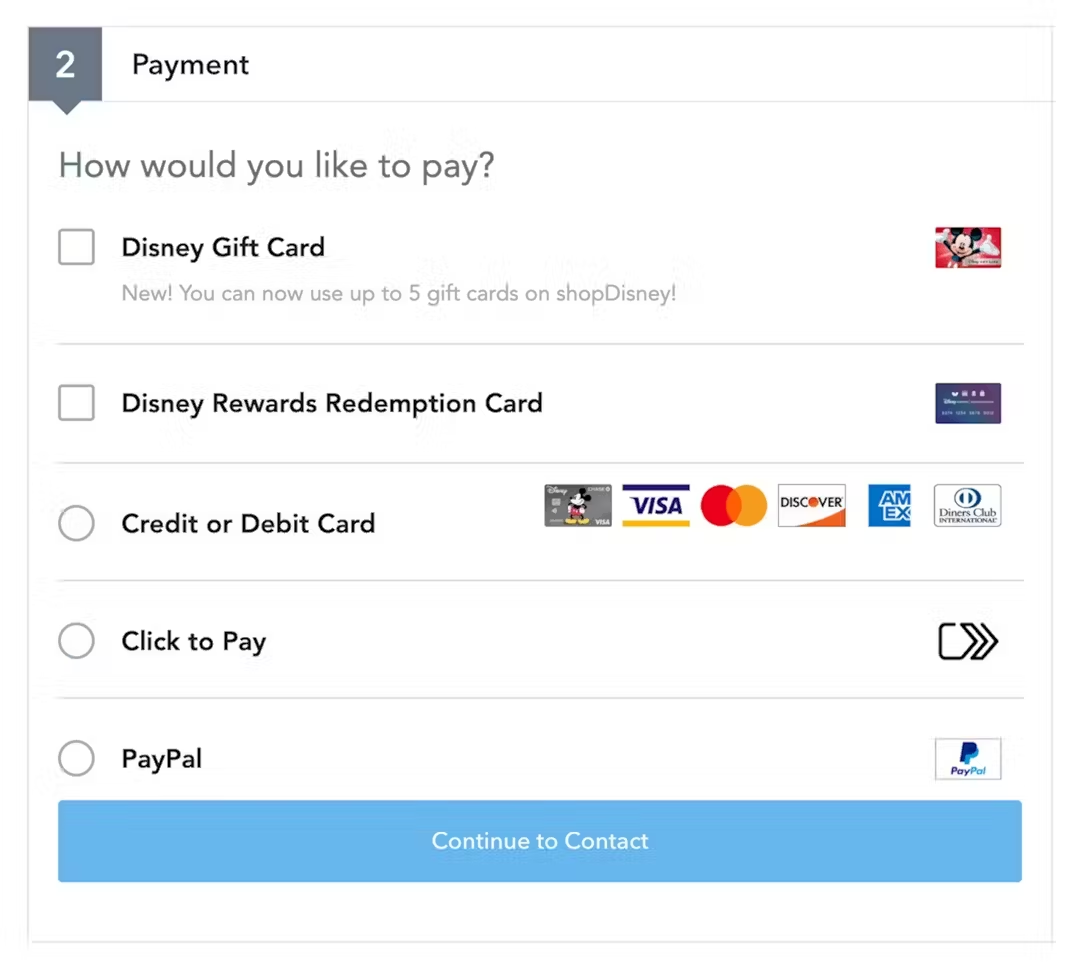
💳 A classic example comes from Disney’s checkout experience: Instead of asking, “Would you like to pay now?” they ask, “How would you like to pay?” It’s a simple tweak, but it shifts the focus from “Do I have to?” to “I’m in control of how.”
🔹 Try these in your marketing:
Instead of “Subscribe now”, say “Pick your ideal plan”.
Instead of “Buy this bundle”, say “Build your perfect package”.
Instead of “Sign up”, say “Choose the best option for you”.
When people feel like they’re making the decision, they’re less likely to resist it.
3) Guide Customers with Smart Questions
Nobody likes a pushy sales pitch. But when you use guided questions, customers feel like they’re making the decision on their own—even if you’re subtly leading them to the best option.
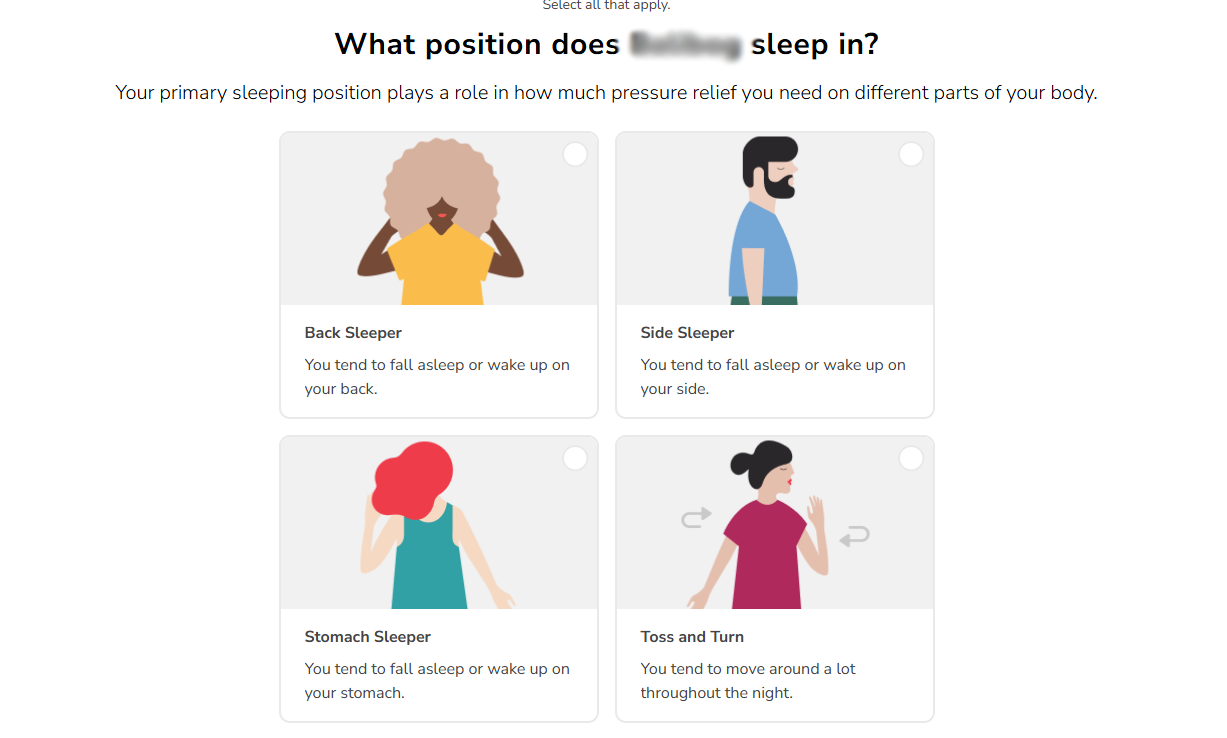
💤 Example: Helix Mattress uses a sleep quiz.
Instead of dumping all their mattress options on customers, they ask a few quick questions about sleep preferences—then recommend a “perfect” mattress.
🚀 How to apply this to your business:
Add an interactive quiz to help customers pick the right product.
Ask qualifying questions instead of listing features (“What’s your biggest challenge?”).
Create a guided shopping experience with filters that help narrow options.
The result? Customers feel empowered, not sold to.
Guided decision-making reduces cognitive load — one of the biggest reasons customers abandon purchases.
The Bottom Line
Customers are more likely to buy when the process feels collaborative instead of coercive.
By structuring choices, reframing decisions, and guiding people thoughtfully, you reduce resistance and increase conversions — without relying on pressure tactics.
Want help applying marketing psychology to your website, messaging, or sales funnel?
Let’s build a strategy that supports confident decision-making.