Before You Spend Another Dollar on Marketing, Get These 3 Things Right

In the past three weeks, I've had 22 discovery calls with business owners. And I keep having the same conversation.
To grow their business most people think they need more SEO, a new website, social media help, or some mix of the three. Business is slower than they'd like, or they're ready for their next phase of growth. Fair enough. That's what I do.
But before we talk about marketing, I ask about their business. Things like:
Who are they trying to reach?
Which services do they want to grow?
Where do their customers come from?
What's working, and what's getting in the way?
Often, the thing they called about isn't where I'd tell them to start.
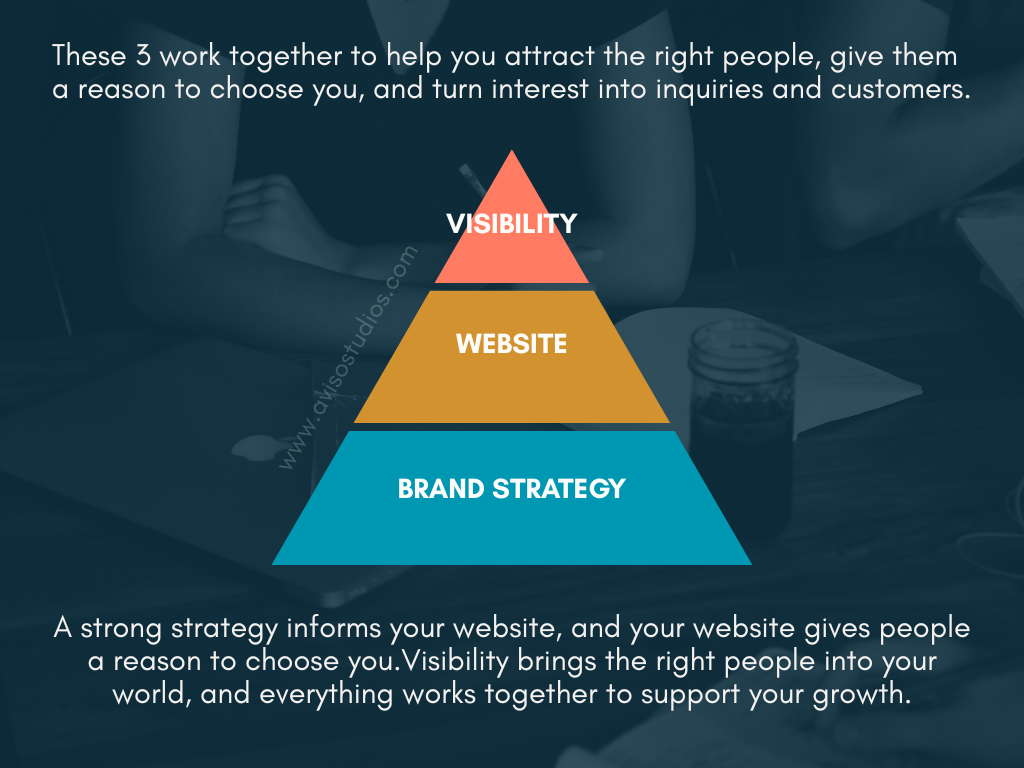
I see this with wellness practices, contractors, coaches, and all kinds of service providers. Marketing is expensive. Spending on the wrong thing is more expensive. So before you pay for another website redesign, SEO campaign, or social media manager, look at these three areas of your business first.
1. Strategy: Know what you're trying to accomplish
I know. Brand strategy isn't as exciting as a shiny new website or a growing Instagram following. Stick with me.
Say you run a wellness center with several practitioners and a long list of services. You want more appointments, so you start looking for SEO help. Makes sense.
But what if some practitioners are already booked? What if some services bring in more revenue while others have room to grow? What if when people land on your website it’s so confusing or outdated you lose all credibility? Suddenly, more Google traffic across the board might not be the best use of your budget.
I'd want to know which practitioners need patients, which services you want to grow, and how people find and choose those services today. Then we can build a marketing plan around a real business goal.
Here's a different case. An established service business has built a loyal clientele through referrals. Now the owner wants to expand into new services and reach a different market.
More inquiries for the existing services won't get them there. They need to reach a new audience, package their new offers, and introduce them to people who've never heard of the business.
Same business. Completely different marketing priorities.
The goal isn't always more. It's more of the right thing.
This is where brand strategy comes in.
Fonts and colors can wait. Brand strategy means taking a good, hard look at the business itself. What do you offer? Who is most likely to buy it? What do those customers care about? Why should someone choose you over the business down the street?
Many of the business owners I talk with have spent years building successful businesses. They've grown up from their first year, expanded their services, hired people, and developed new specialties. But their marketing hasn't kept up. Their website still leads with their original services. Their messaging is broad enough to fit anyone. And they're so close to the business that they assume customers understand things that aren't obvious at all.
That's what we're trying to uncover. Before you spend marketing dollars, you need to know what you're asking that money to do.
2. Website: Make it easier for people to choose you
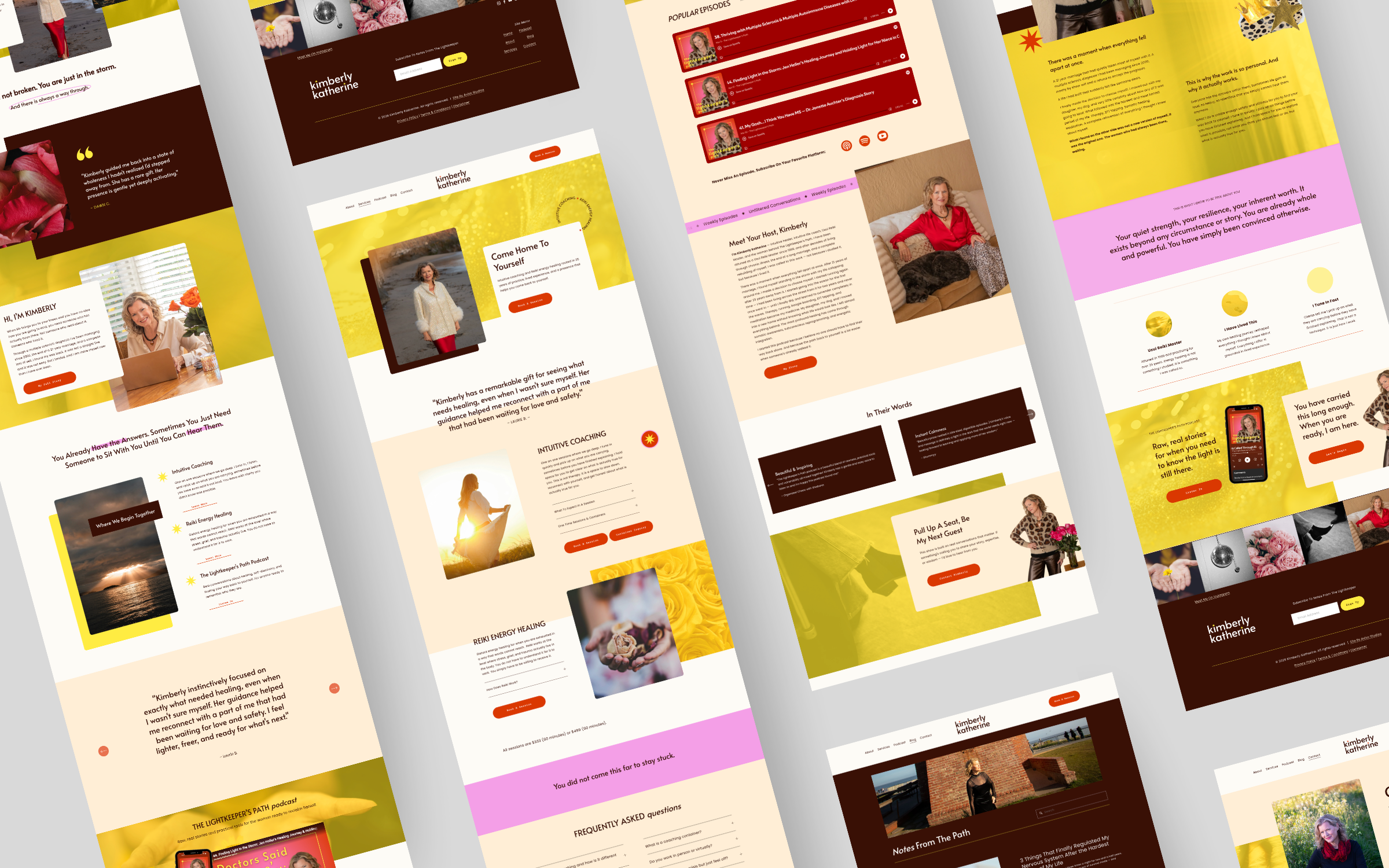
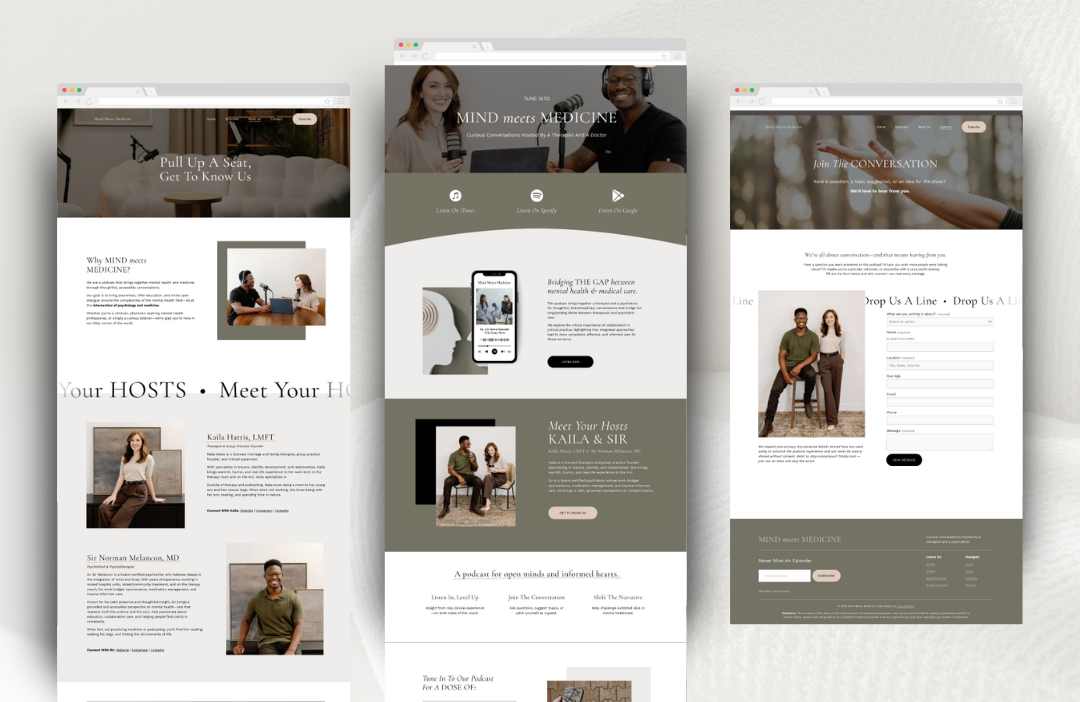
Usually someone winds up on your website knowing very little about you. Within a few moments, they should understand what you offer, whether it's for them, and where to go next. It also needs to communicate this to answer engines like ChatGPT, Google, Claude, etc.
Sounds simple. BUT I've seen countless beautiful websites that don't pull it off. They look great, but after clicking around for a few minutes, I still can't tell what the business does. Or there are so many services and pages that I don't know where to begin, I get overwhelmed and peace out. I’m guessing you’ve done that too.
What's actually getting in the way?
In another recent conversation, a business owner wanted help improving their website. The design had room to improve, but as we talked, something more important came up: customers were having trouble figuring out which service to book.
The business offered a flexible, customizable service along with several more specialized options. So why make people sort through a long menu when there was a good starting point for most of them?
We talked about leading with that option, making its benefits easy to understand, and organizing the other services around what customers are looking for. A simple change to how the information is laid out, aimed at a real problem in the booking process.
That's the thinking that should guide your website. What questions do your customers have? What worries them? What do they need to know before they feel comfortable booking? The answers should shape your messaging, page structure, navigation, and calls to action.
This is also where SEO enters the conversation. What are people searching for? How do they describe their needs? Which pages will give them useful answers? That affects everything from how your site is organized to the content you publish.
Do you need a new website?
Maybe. But plenty of businesses have perfectly good websites that need better messaging, a simpler path for customers, or some work behind the scenes.
Yep. I'm a website designer, and I said that out loud.
Sometimes a simple refresh is the right call. Other times, I'd rather see you spend that money elsewhere. Before recommending anything, I want to know how your current site performs. Are people finding it? Where are they coming from? Which pages get attention? What are ChatGPT and Google saying about you (if anything)? Are visitors calling, booking, or buying?
If your website already brings in the right visitors but few of them take action, fix that before you pay to send more people there. More website traffic does not equal more business.

3. Visibility: Get in front of the people you want to reach
This is where SEO, social media, ads, email, and the rest come in. It's easy to see why people get excited about them. Climbing rankings and a Reel that gets hundreds of views feel like progress.
But what do those numbers mean for your business?
Lots of attention. Not enough customers.
I recently spoke with a business owner who was getting plenty of attention through their content. People were watching and engaging, but turning that interest into paying clients was the hard part.
We talked about how they explained their services, what made their approach different, and how someone interested in their content would become a client. The opportunity was in connecting the audience they'd built to the services they wanted to sell. Spending money to grow that audience first could have meant impressive engagement and very little income to show for it.
SEO can have the same problem. Say your website traffic doubles in six months. Fantastic. But what if those visitors want services you don't prioritize? Or they land on your site, can't find what they need, and leave?
Sure, the traffic report looks great.
But is your business actually growing?
That's why I want to know what happens after someone finds you. And it's why the strategy and website work matter so much.
You don't need to be everywhere.
Small business owners tell me all the time that they feel behind. Someone told them to run Google Ads or start a blog, and now they're hearing about AI search too. It's a lot, and keeping up with every platform can turn into a full-time job.
I'd rather see you focus on a few channels that fit your customers and goals.
For a local service business, that might mean a stronger Google Business Profile, more reviews, and useful service pages. For a consultant with corporate clients, it might mean LinkedIn, referrals, and relationships with a small group of people. For a business with loyal customers, email and repeat business may deserve more attention than chasing new followers.
You have lots of options. Your strategy helps you decide which ones deserve your time and money.
Already spending money on marketing? Start here.
If you've been in business a while, you've probably already invested in some of this. Maybe you hired an SEO company a few years ago, redesigned your website twice, and tried ads or an agency along the way. And you're still not sure what to do next.
If you’re like most businesses I’ve talked to, chances are you need to scrap everything. Start by taking inventory.
Your business strategy Can you explain what you're trying to accomplish over the next 6 to 12 months? Which customers, services, or opportunities matter most? Does your marketing reflect those priorities?
Your website Does it make sense to someone who's never heard of you? Can visitors find what they need, see why they should choose you, and take the next step? Do you know which pages bring in inquiries? Is your messaging and design built to convert?
Your visibility Where do your best customers come from? Which marketing efforts are bringing in actual business? Are you spending time or money on channels that aren't helping?
You might find your website is in great shape and SEO deserves more investment. Or that you're getting plenty of traffic but losing people before they contact you. Or that your marketing works fine, and the bigger opportunity is offering a new service to the customers you already have.
Those are very different situations, and each one needs a different plan.
So, where should you start?
After nearly 20 years of running businesses and handling marketing in one form or another, I'm skeptical of one-size-fits-all advice. Especially when it involves spending money.
That's why I spend so much time getting to know a business before recommending anything. And depending on where you are and what you're struggling with, there are a couple of ways I can help.
Need to look at the bigger picture?
My Brand Strategy Intensive takes a deep dive into your business, positioning, messaging, website, and marketing to identify what's working, what's getting in the way, and where to focus next. You'll walk away with a comprehensive Brand Strategy Blueprint and a prioritized 90-day roadmap.
Think your website could be working harder?
My Website Review is a personalized, expert assessment of your existing website. I'll look at your messaging, design, navigation, SEO, and overall user experience, then walk you through my findings and recommendations in a recorded Loom video so you know exactly what I'd improve and why.
I'd much rather help you make a smart decision now than watch you spend six months and a pile of money finding out you started in the wrong place.