Everyone wants to show up. Google you, ChatGPT you, whatever. Most therapy practices, chiropractic clinics, coaches, and wellness practices are chasing that with the same three website pages: an About page, a services page, a review widget bolted onto the footer.
But there's one kind of page almost none of you have: a real case study, sitting on its own, built to be found.
Why case studies actually work
There are three real reasons this one page matters more than people give it credit for.
1. They give AI and search engines more context than a services page ever will.

"I offer trauma therapy" is a category. It doesn't connect you to the actual problems, circumstances, and questions people are typing into Google or asking ChatGPT. A case study does.
When someone asks a question like "does therapy actually help with panic attacks" or "best chiropractor in [city] for second trimester lower back pain," these tools aren't just handing back a list of websites the way Google used to. They're trying to answer the question, and they reach for content that reads like evidence, not like an ad. A case study gives them exactly that: a specific problem, a specific approach, a specific outcome, tied together in one place.
2. They give a prospective client actual proof, not just a promise.
Someone reads it and recognizes their own situation in the problem. They get a real sense of what working with you might look like, instead of having to take "personalized, compassionate care" on faith.
3. They're the one thing a competitor genuinely can't copy.
Anyone can write "personalized, compassionate care" on their homepage. Nobody else can write your experience, applying your specific approach, to a real situation, with a real outcome. A result is the one thing a competitor can't copy. Yours is yours.
One practical note underneath all of this: these AI tools also tend to lean on whatever's stated clearly near the top of a page, and they only pull from a small slice of what they find. Three paragraphs of throat-clearing before you get to the point, and it's already moved on.

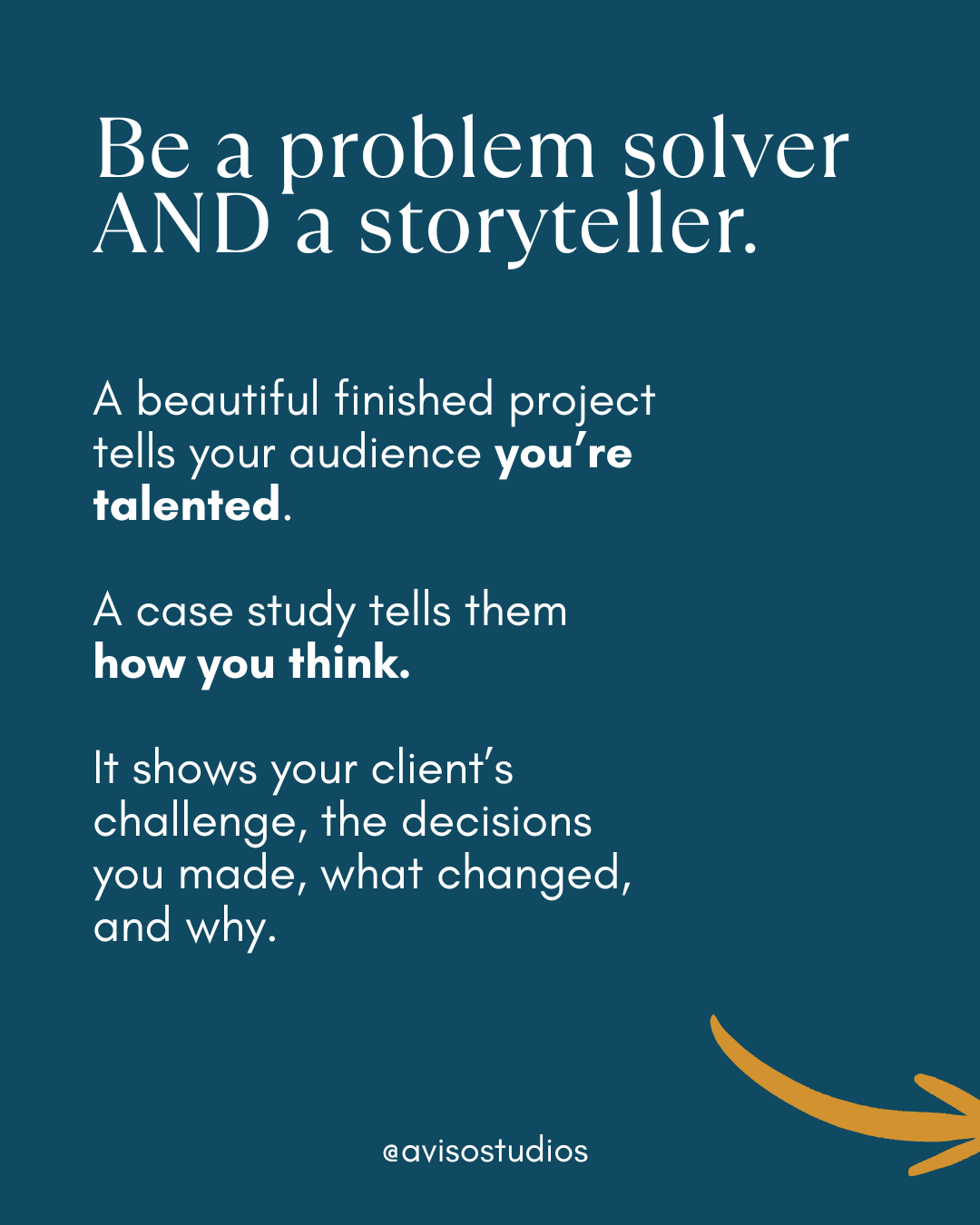
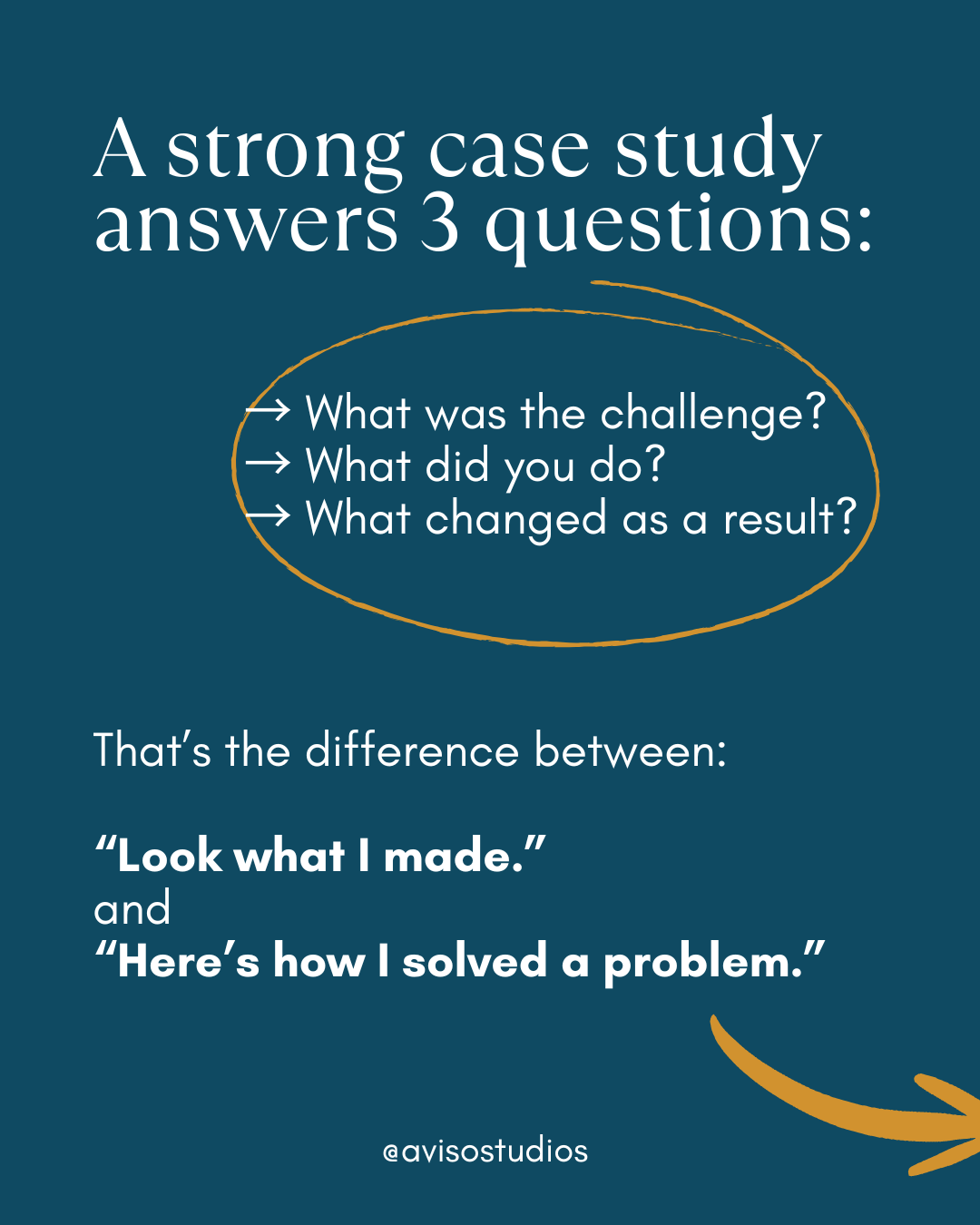
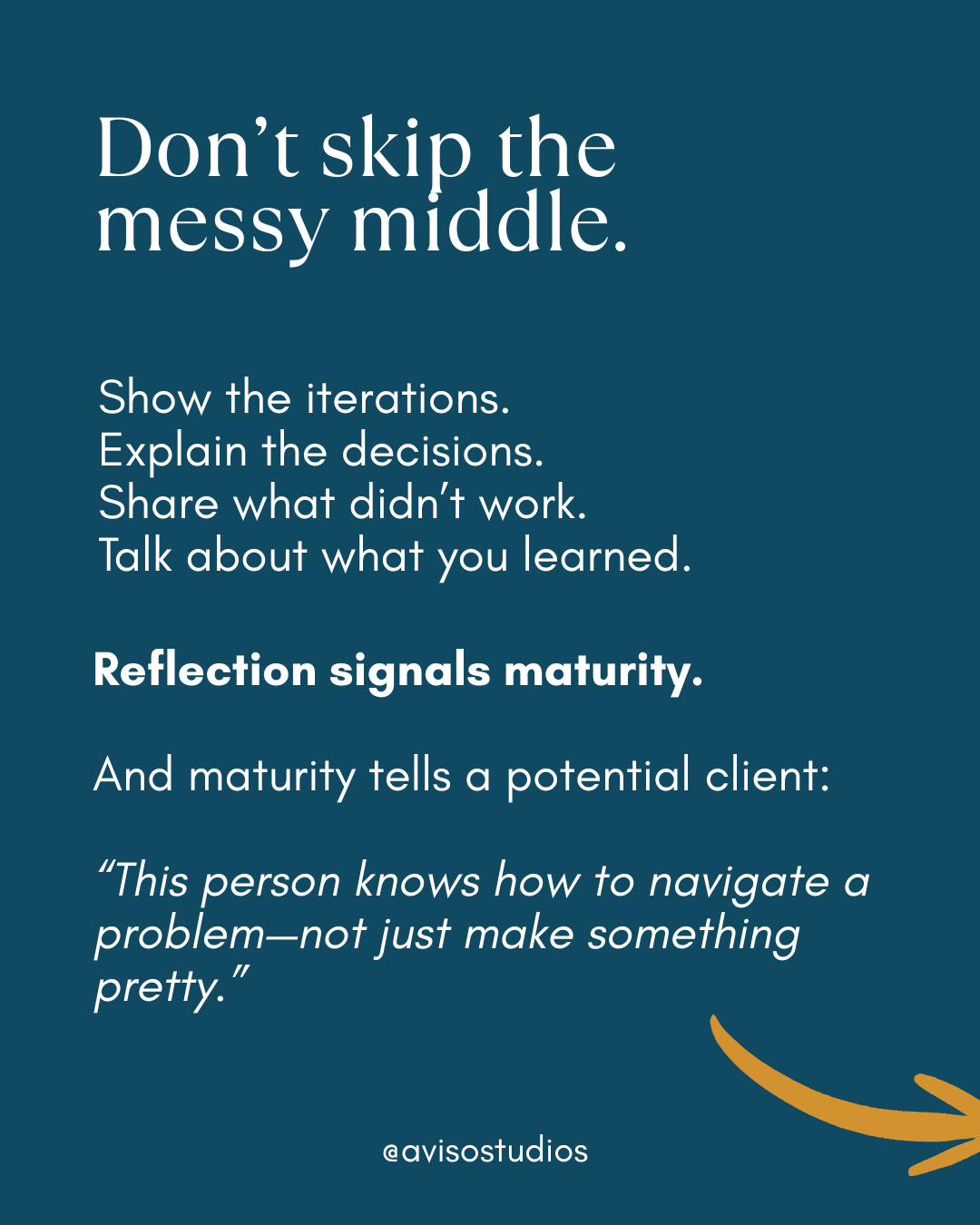


How to write case studies that actually get found
Structure matters almost as much as the content.
Put the result in the first two sentences. Not the backstory, not your process. Something like: "Over eight sessions, we focused on the situations that were triggering the client's anxiety and built a set of strategies they could use outside of therapy. Within two months, they reported feeling noticeably more in control day to day." Specific, but not a clinical guarantee.
Write headers the way a person would ask the question. "How therapy helped someone rebuild trust after a hard breakup" beats "Case Study: Client A," because it's closer to what someone would actually type into ChatGPT.
Lay out the outcome instead of burying it in narrative. A before and after, a timeframe, the approach. Short paragraphs and a quick bulleted summary beat a wall of prose, for the reader skimming on a phone and for the tools trying to parse it.
Publish it as a real page on your website. Not a locked PDF, not a private social post. If it's not something these tools can actually read, it doesn't exist to them.
Case Study AI Prompt To Help You:
Copy this prompt, fill in the blanks, and give it as much detail as you can. Do not include a client's name or any identifying/private health information.
Help me turn the information below into a case study for my [TYPE OF PRACTICE] website.
The case study should be useful to a prospective client and easy for search engines and AI tools to understand. Lead with the outcome, clearly explain the problem, describe the approach we took, and show what changed. Use specific details where I provide them, but do not invent results, diagnoses, quotes, timelines, or other facts.
Write naturally and avoid generic marketing language. Give the case study a descriptive headline based on the problem or question someone might actually search for, rather than simply calling it “Case Study.”
The client/problem:
[ADD NON-IDENTIFYING DETAILS]What they were struggling with:
[ADD DETAILS]What we did:
[ADD DETAILS]What changed/result:
[ADD DETAILS]Timeframe, if relevant:
[ADD DETAILS]Service or approach used:
[ADD DETAILS]At the end, suggest 3–5 questions this case study could answer for prospective clients that could be useful as FAQ headings.
Where to publish your case study (and what to do with it afterward)
Website first. This is the permanent, indexable source of truth. That might be a dedicated case study page or a well-structured article, what matters more than the label is that it's easy to find, linked from other pages, and built with real headers and structure instead of buried in a wall of text. If case studies become a real part of your content strategy, collect them in their own Case Studies or Results section so visitors, and search tools, can find more of them.
Blog. Either the case study itself lives here as a well-structured post, or you write a related post that points back to the full case study.
(BTW need a website that does all this? Here’s how Aviso Studios can help)
Google Business Profile. Pull an anonymized insight, result, or theme into a post there when it fits, and point people toward the fuller version on your site.
Email. Turn the problem and the story into a short email, then send people back to the full case study for the details.
Social. One case study can become a carousel, a Reel talking point, a before-and-after framework, a single post built around the client's problem. You don't need to reinvent it each time, just pull a different angle out of the same story.
Internal linking. This one actually matters for the strategy underneath all of it. Your relevant service pages should link to the case study, and the case study should link back to the relevant service page. You're building a small web of contextual evidence around each other, not tossing a page into the internet and hoping ChatGPT happens to find it on its own.
One thing to get right before you publish: whose story is it
Here's the part that makes health and wellness different from every other industry writing about this. You're working with real people's health information. Get the writing right and get this part wrong, and a heartwarming client story turns into a real big hairy problem.
If your practice is a licensed healthcare provider, a therapist, chiropractor, or similar, and you bill insurance or transmit health information electronically, you're very likely subject to HIPAA. That means using a real client's story in marketing, their name, photo, or details about their care, requires their specific written authorization, not the general form they signed at intake.
If you're a coach or a wellness practitioner who doesn't bill insurance or operate as a licensed healthcare provider, HIPAA often doesn't apply to you directly. That's genuinely worth knowing, and it's also not a free pass. Client confidentiality, your certifying body's code of ethics, your state's privacy laws, and plain old trust still matter. If you're not sure which category you fall into, that's a quick, worthwhile question for a healthcare attorney, not something to guess at.
For the practices HIPAA does apply to, the stakes are real. The Department of Health and Human Services fined a Los Angeles physical therapy practice $25,000 in 2016 for posting patient testimonials, full names and photos, without authorization on file. In 2025, a group of five Delaware nursing and rehab facilities agreed to pay $182,000 after a "success story" marketing program disclosed the health information of 150 patients without proper consent. In both cases, OCR found that the providers didn't have valid HIPAA authorizations in place.
You don't need a real name or an identifying detail to write a case study that works. Two solid paths, depending on your situation.
1. Get written authorization, if it's genuinely warranted.
A client's thrilled, wants their story out there, real name and all? Get their signed, specific authorization first, spelling out exactly where it'll be used. Many practices set an expiration on it, commonly a year or two, and have a real process ready for when a client wants it pulled down.
2. Default to a blended story.
This is where most of you should live, HIPAA-covered or not. Take pieces from a few different clients and combine them into one story. Focus on the pattern, not the person. Blending details can meaningfully reduce the risk of identifying a real client, but don't assume changing a name and a few details automatically makes a story anonymous. HIPAA's actual de-identification standard is specific, it requires stripping things like most elements of dates other than the year, locations smaller than a state, and any other detail that could reasonably point back to one person, not just swapping a name. If you're subject to HIPAA or professional confidentiality rules, make sure your version genuinely meets the standard that applies to your practice, and check with your attorney or licensing board if a story feels close to identifiable.
A blended story isn't a workaround. It's how therapists, coaches, and practitioners have always talked about client work in public. And it still does the job for getting found, because what these AI tools are looking for is a specific problem, a specific approach, a specific outcome. That's proof, with or without a name attached.
A couple questions I know you're about to ask
Isn't a five-star review basically the same as a testimonial? No. A rating a client posts on their own, without you involved, is different, they chose to make that public. A testimonial you write, publish, or ask for that includes identifying details or care specifics is what triggers the authorization question.
Can a blended story really do the same job as a named one? It can carry the same substance, a real problem, a real approach, a real outcome, without the identifying details. Whether it performs identically in every AI tool's results isn't something anyone can promise. What it does reliably is give you something true and specific to say, which is the actual point.

This is the kind of work I do with health and wellness businesses:
figuring out what actually makes you worth choosing, turning that into a website people and search engines can understand, and building content around the questions your clients are already asking.
If you're sitting on great client outcomes but have no idea how to turn them into content that's useful, safe, and findable, let's talk.
A quick legal note: I’m a marketing strategist and website designer, not an attorney or HIPAA compliance expert. The information in this article is for general educational purposes and shouldn’t be considered legal or compliance advice. HIPAA, privacy laws, and professional requirements vary depending on your practice, location, and circumstances. If you’re unsure what applies to you, consult a qualified healthcare attorney or compliance professional before publishing client or patient information.
Sources
HHS Office for Civil Rights: Complete P.T., Pool & Land Physical Therapy settlement, 2016
HHS Office for Civil Rights: Cadia Healthcare Facilities settlement, September 2025
HHS Guidance on De-Identification of PHI (Safe Harbor and Expert Determination methods)
Wellness Law: Are Wellness Practitioners Who Don't Bill Insurance Subject to HIPAA?